




7 Early Common Orthodontic Problems We Watch for in Kids
A child’s smile develops rapidly, and even small delays or irregularities can impact long-term oral health. Early detection plays a critical role in preventing complications, improving bite function, and supporting confident smiles as children grow. At Dr. Ruchi’s Multispeciality Dental Care, we closely monitor common orthodontic problems in growing children so timely action can be taken.
Parents today are increasingly aware of orthodontic problems in kids, and rightly so. Many alignment and bite-related concerns can be corrected easily when identified early. Understanding these signs allows families to make informed decisions about orthodontics for children, leading to simpler and more effective treatment outcomes. Below are seven early orthodontic concerns we commonly watch for in kids.
-
Crowded or Misaligned Teeth
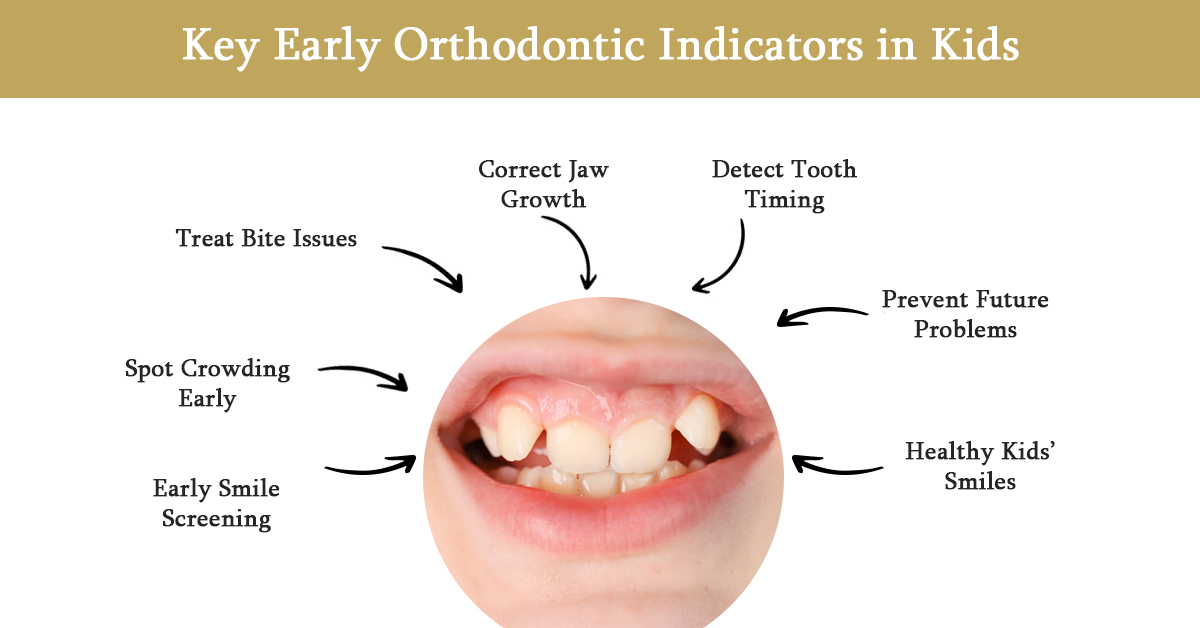
Crowding is one of the most frequently seen orthodontic concerns in children. When the jaw does not have enough space, teeth may overlap, twist, or erupt in incorrect positions. This can make brushing difficult, increase plaque buildup, and sometimes affect speech clarity.
Crowding often becomes noticeable during the mixed dentition phase, when baby and permanent teeth are present together. Early orthodontic guidance can help create space and prevent severe misalignment later. Addressing this issue early is a key part of managing common orthodontic problems effectively.
-
Crossbite
A crossbite occurs when the upper teeth bite inside the lower teeth instead of outside. This may affect a single tooth or an entire section of the jaw. If left untreated, it can lead to uneven jaw growth, gum recession, and abnormal tooth wear.
Crossbite correction is most successful when addressed early, as growing jaws respond well to guided treatment. This concern is frequently seen under orthodontic problems in kids, and early correction helps avoid complex treatment in adolescence.
-
Open Bite
An open bite happens when the upper and lower teeth do not touch when the mouth is closed. Prolonged thumb sucking, pacifier use, or tongue-thrusting habits are common causes. Open bites can affect chewing, speech, and overall facial development.
Early habit correction combined with orthodontic guidance plays a vital role in improving outcomes. Open bite is considered one of the more impactful common orthodontic problems, especially when left untreated during growth years.
-
Overbite
An overbite occurs when the upper front teeth overlap the lower teeth excessively. While mild overbites are normal, severe ones may cause enamel wear, gum irritation, and a higher risk of tooth injury.
Early evaluation helps determine whether the overbite is caused by jaw size, tooth position, or oral habits. Managing overbites early through orthodontics for children helps improve bite balance and supports healthy facial development.
5. Underbite
An underbite is when the lower teeth sit in front of the upper teeth. This often indicates a jaw growth imbalance, where the lower jaw grows faster than the upper jaw.
Underbites are among the more complex orthodontic problems in kids and benefit greatly from early orthopedic guidance. Timely treatment can help redirect jaw growth and reduce the need for surgical correction later in life.
6. Early or Late Loss of Baby Teeth
Baby teeth act as natural placeholders for permanent teeth. Losing them too early or retaining them too long can disrupt eruption patterns, leading to crowding or spacing issues.
Early monitoring allows dentists to use space maintainers or interceptive orthodontic approaches to protect alignment. This issue is commonly overlooked but plays a major role in preventing future common orthodontic problems.
7. Improper Jaw Growth or Facial Asymmetry
Jaw growth irregularities are easier to manage in growing children than in teenagers or adults. Facial asymmetry, receding chins, or forward-growing jaws can affect both bite function and appearance.
Early orthodontic assessment helps guide jaw development in the right direction. These growth-related concerns are central to orthodontics for children, as timely intervention supports balanced facial structure and long-term oral health.
Why Early Orthodontic Care Shapes Lifelong Healthy Smiles?
Early orthodontic evaluation is one of the most impactful steps parents can take for their child’s oral health. Since bones and teeth are still developing, identifying Orthodontic Problems in Kids early makes treatment shorter, simpler, and more effective.
For families exploring options with an orthodontist in Coimbatore, early screening allows for better planning and reduced treatment complexity later. Many parents also seek guidance on orthodontic treatment in Coimbatore to address alignment concerns before they worsen.
Choosing a trusted orthodontic clinic in Coimbatore ensures children receive growth-focused, comfortable care using modern techniques. When guided by the best orthodontist in Coimbatore, early intervention can prevent major bite issues and support confident smiles for years to come.
At Dr. Ruchi’s Multispeciality Dental Care, we focus on identifying and managing Common Orthodontic Problems using child-friendly, advanced treatment approaches. Our aim is to guide every child toward a healthier, well-aligned smile with care and precision.
Frequently Asked Questions
- At what age should my child visit an orthodontist?
Most experts recommend an orthodontic evaluation by age 7 to identify early alignment or jaw growth concerns. - What signs indicate orthodontic problems in kids?
Crowded teeth, difficulty chewing, mouth breathing, uneven jaw growth, and early or delayed tooth loss are common warning signs. - Can early orthodontic treatment reduce the need for braces later?
Yes. Early orthodontic care can guide jaw growth and create space, often reducing or simplifying future treatment. - Are thumb-sucking or tongue-thrusting habits harmful?
Prolonged habits can lead to open bites and misalignment. Early guidance helps prevent long-term issues. - How often should my child have orthodontic check-ups?
Regular dental visits every six months help monitor growth and detect alignment issues early.
